How do you quickly calculate a unique identifier for your Zettelkasten, when you don’t know where you left off? Here’s my method:
The Day-Of-Year Method
Use the Day Of Year (DOY):
- Multiply the (current month - 1) by 30
- add the day of the month
- and a suffix starting at 1
- Finally Add year prefix
The suffix is important if you take more notes in the same day. Sometimes I go weeks or months without taking any zettle notes, and sometimes I take many in a single day. I can generally keep track of how many notes I’ve taken in that day, but even if I forget, I know that I made roughly four or five notes, so I can safely start again at seven.
A Worked Example
For example, let’s say that today is the 30th of September 2025.
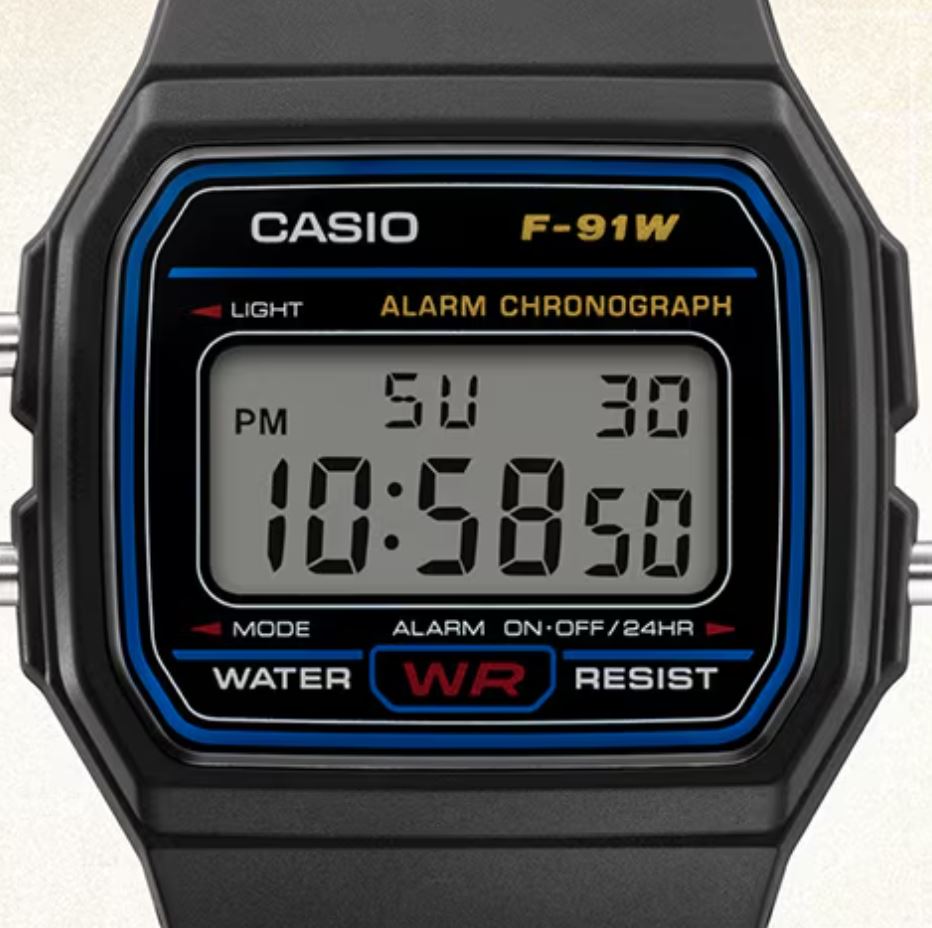
- Since we’re in September and we don’t calculate January in DOY, we multiply 8 x 30, which gives us 240 (in my head: 3 times 8, add a zero).
- Add 30 (the current day of the month) to 240, which gives us 270. We have our DOY.
- We suffix with the daily counter: 2701
- And finally, we prefix with the last digit of the year: 52701.
This will create a collision in ten years time if I decide to take another note on September 30th 2035. In this case I would use two digits for the year prefix, which would make the note in 2035 be indexed at 352701
Each month is calculated at 30 days. We don’t account for leap years or any of that. The identifier is not meant to encode a date. It is easy, however, to calculate the date given a DOY identifier (and a rough idea of the decade).
This method produces a minimum of 5 digits.
Benefits
- One digit shorter than the YMMDDC method below
- Makes your brain work
Problems
The method adds friction to taking notes, which leads to fewer notes.
The YMMDDC Method
The Year-Month-Day-Counter method doesn’t require calculations, but it does take up two digits for the month and day fields, otherwise it can lead to duplicate identifiers. For example, the 1st of November and the 11th of January would both be 111 if we decided to skimp on digits.
This method produces a minimum of 6 digits.
A Worked Example
The first note created on the 30th of September 2025 would be 509301. The
final 1 is the note counter. As before, if you’ve been taking notes for a
decade, you might want to use two digits for the year field.
Benefits
Nothing to calculate
Problems
One extra digit compared to the DOY method
Why on Earth would you use the DOY method?
Sometimes I use a numbering stamp to stamp the number on my notes - the exact model pictured here:
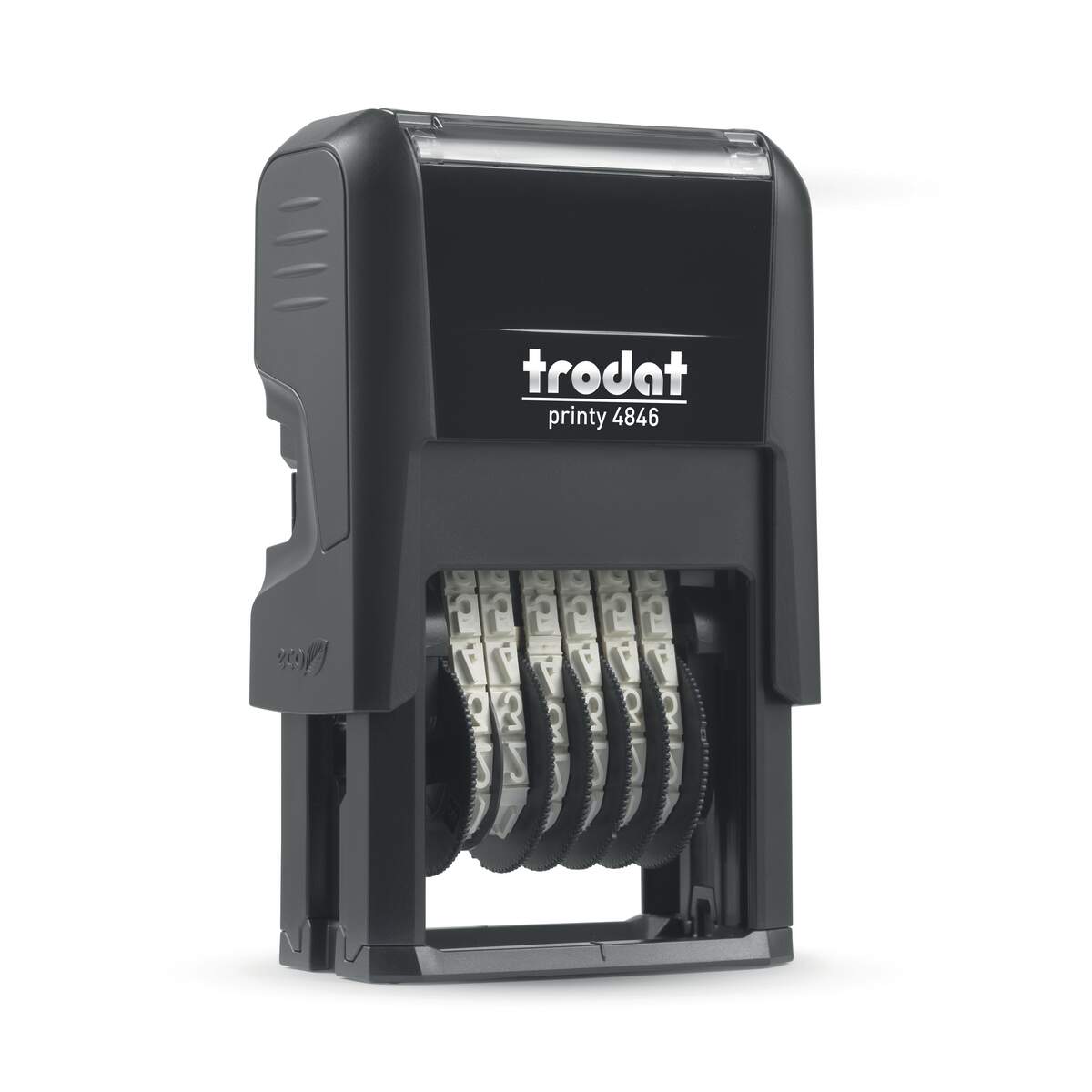
It’s limited to 6 digits.